
Ceramic vs. steel
Discover when ceramic cylinder rollers made of Si₃N₄ outperform steel rollers — advantages in speed, durability, chemical resistance and temperature stability.
Material comparison · Cylinder rollers
Ceramic cylinder rollers made of silicon nitride (Si₃N₄) represent a new generation of precision and durability in bearing technology. Compared to traditional steel rollers, they offer clear advantages in high-speed applications, chemically aggressive environments, and areas demanding cleanliness or electrical insulation.
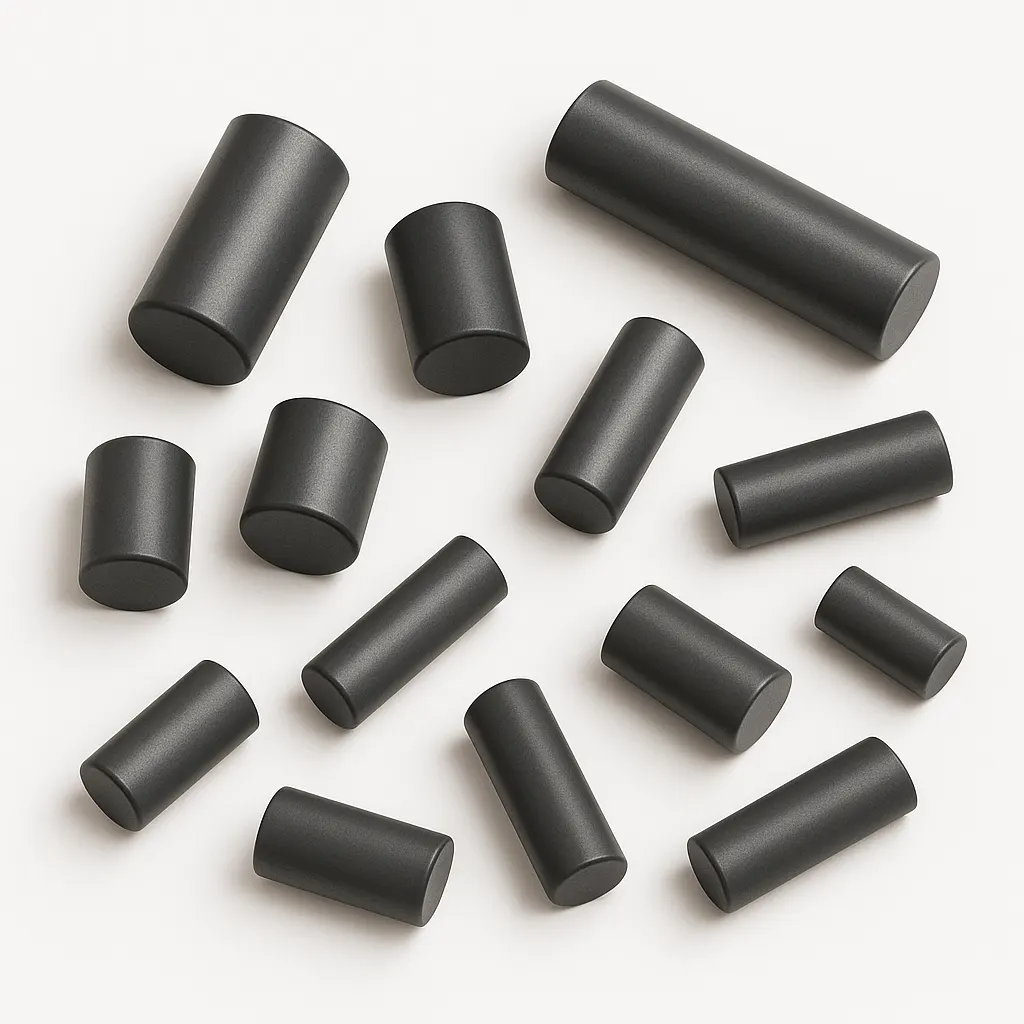
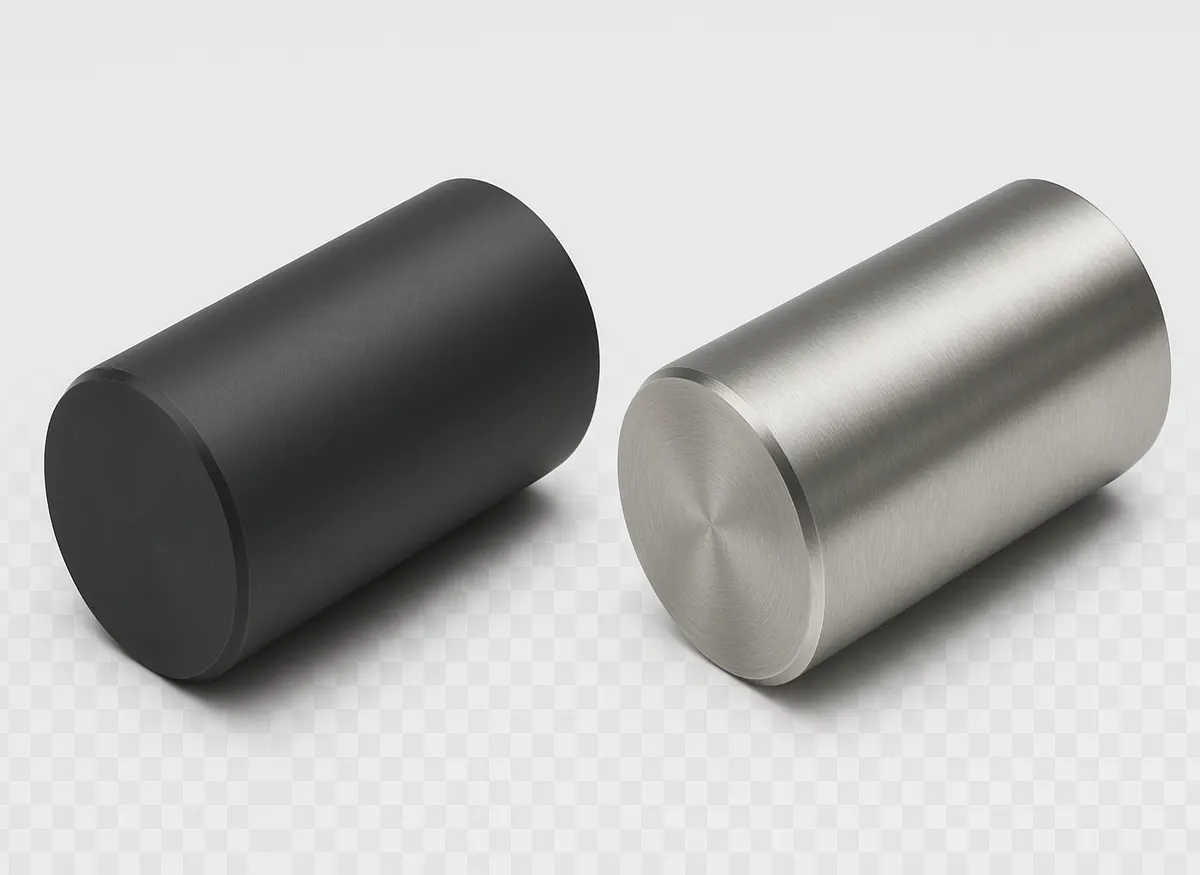
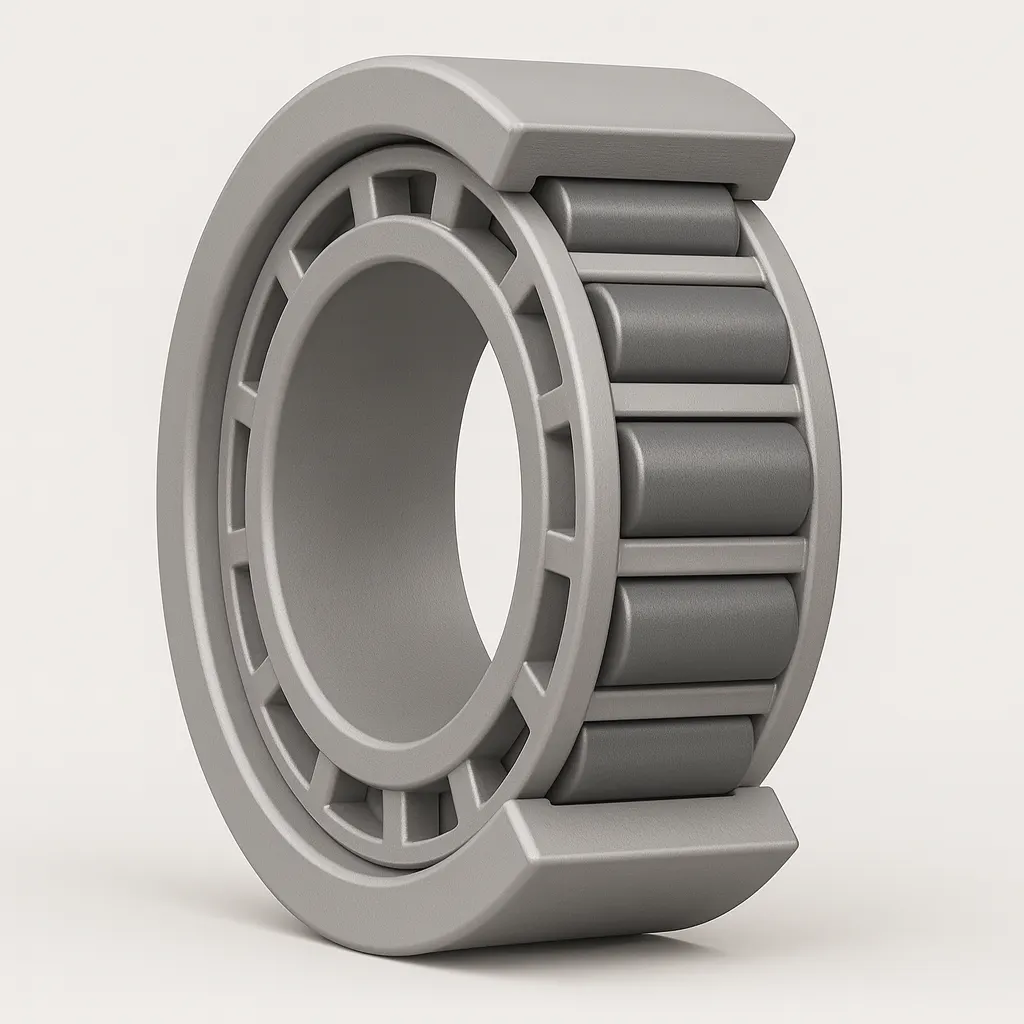
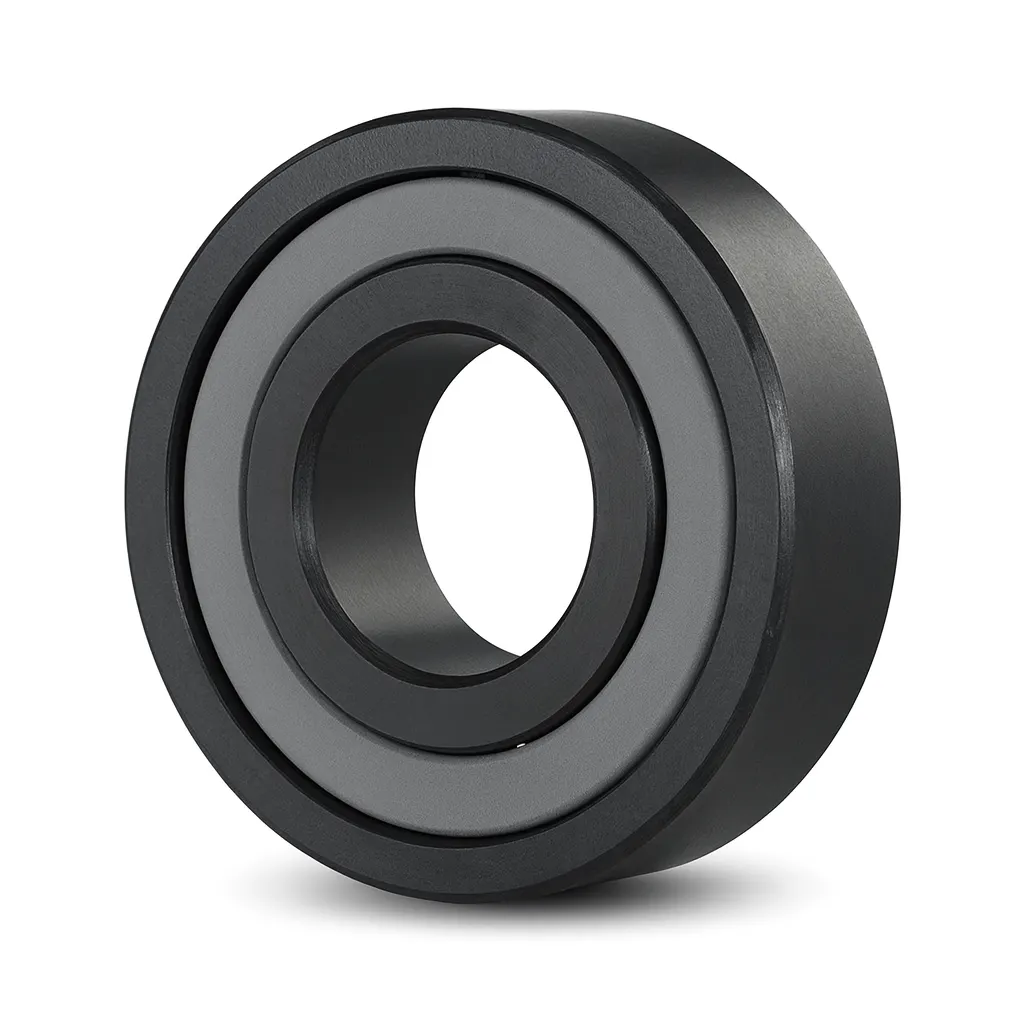
What are ceramic cylinder rollers?
Silicon nitride is an advanced engineering ceramic known for its exceptional hardness, low density, and resistance to thermal shock. These properties make Si₃N₄ an ideal choice for dynamic bearing components. Ceramic rollers are about 30–40 % lighter than steel, reducing centrifugal forces and energy losses at high rotational speeds. In addition, Si₃N₄ is electrically insulating and non-magnetic — making it suitable for use in environments where stray currents or magnetic interference would be problematic.
Advantages over steel rollers
Wear resistance and service life. Ceramic rollers exhibit extremely low wear even under high load and temperature. The combination of hardness and smooth surface finish minimises friction, allowing bearings to maintain precision over significantly longer operating periods.
Chemical and thermal stability. Unlike steel, Si₃N₄ resists corrosion from water, acids, alkalis and aggressive media. It maintains its mechanical integrity even at extreme temperatures, where steel may soften or oxidise. As a result, ceramic rollers are widely used in chemical processing, pharmaceutical production and food technology.
Reduced lubrication and maintenance. The non-reactive ceramic surface requires less lubrication and, in certain conditions, even allows dry running. This reduces maintenance effort and contamination risk — key benefits in cleanrooms or sterile production lines.
| High rotational speeds | Ceramic – lower centrifugal mass, higher speed capability |
|---|---|
| Corrosive or chemical exposure | Ceramic – resistant to acids, alkalis and moisture |
| Temperature extremes | Ceramic – stable even under thermal stress |
| Hygiene-critical environments | Ceramic – dry running possible, no metal ions |
| Electrically or magnetically sensitive systems | Ceramic – insulating and non-magnetic |
| Standard, cost-driven use | Steel – economical and adequate for basic needs |
Ceramic vs. steel cylinder rollers
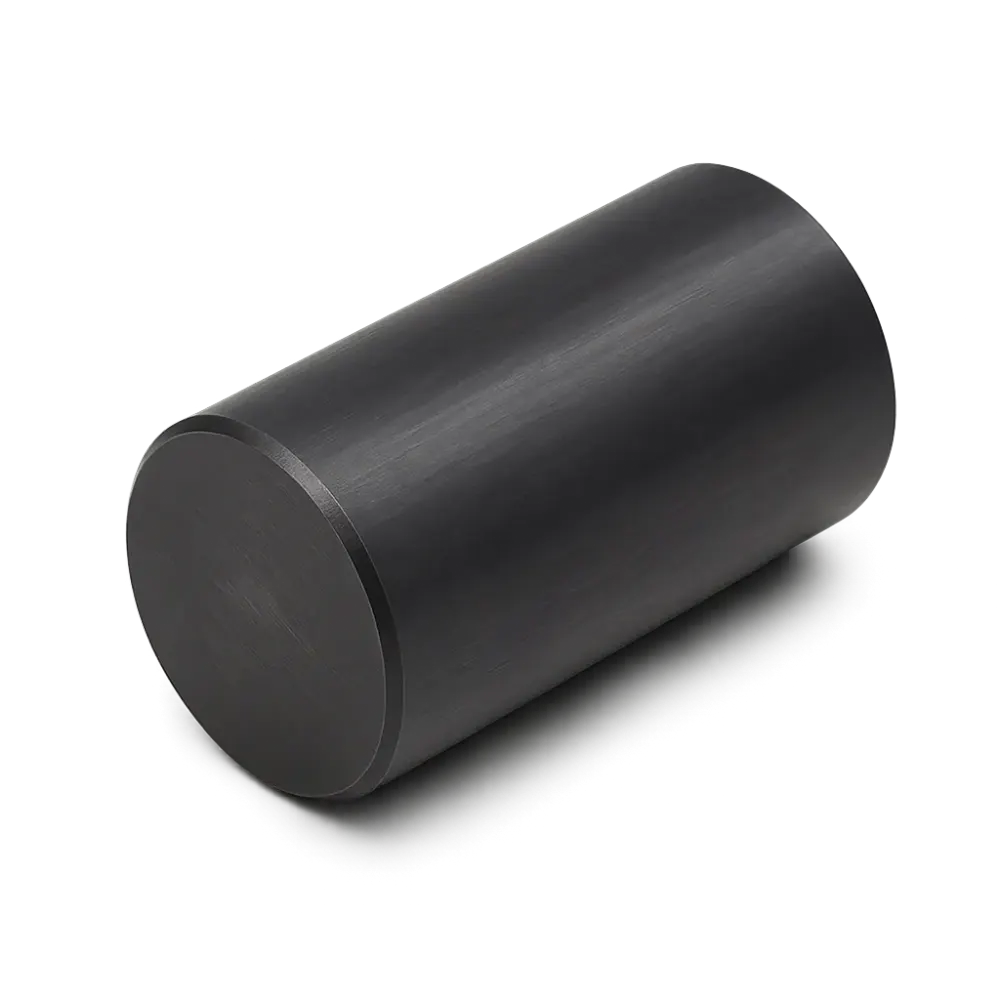
- Ideal for high speeds
- Extreme temperatures
- Aggressive and corrosive environments
- Applications where hygiene and freedom from contamination are crucial
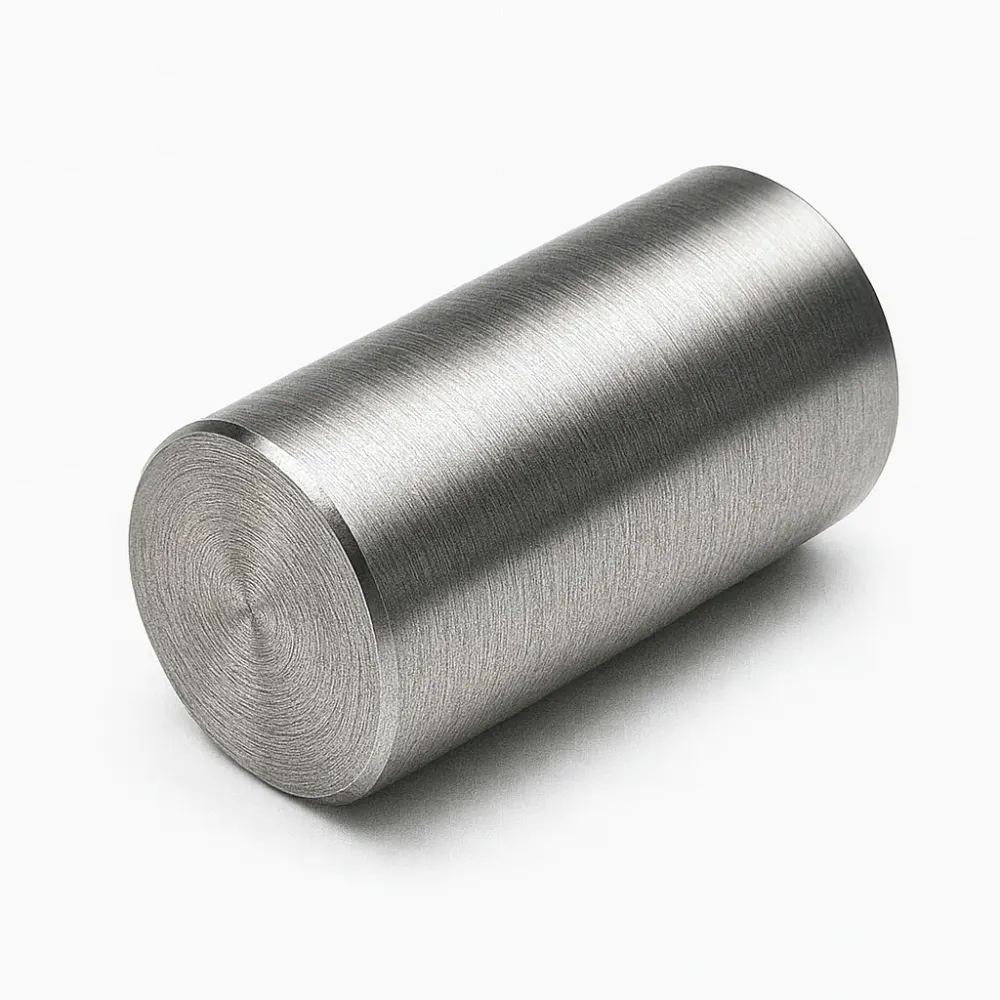
- More cost-effective to purchase
- Proven for standard applications
- More susceptible to wear, corrosion and chemical media
- High speeds can only be used to a limited extent
When steel rollers still make sense
Despite their many advantages, ceramic rollers are not ideal in every case. For standard load and speed ranges, or when extreme chemical resistance is not required, steel rollers remain a proven and cost-efficient choice. Also, when the diameter-to-length ratio is unfavourable or custom dimensions are needed, production of ceramic rollers can become uneconomical.
Typical fields of application
- High-speed and spindle bearings
- Chemical and pharmaceutical production lines
- Electric motor bearings requiring insulation
- Measuring and sensor systems sensitive to magnetism
- Food and medical equipment with hygiene requirements
Frequently asked questions
In which cases are ceramic rollers clearly superior to steel?
Ceramic rollers outperform steel when applications require high speed, temperature stability, chemical resistance, or electrical insulation.
Can ceramic rollers be used in standard bearing housings?
Yes. Many bearing types can be directly upgraded with ceramic rollers as long as the dimensions and load parameters match.
Are there limitations in manufacturing ceramic rollers?
Yes. Extremely long and thin rollers or custom geometries may be restricted by manufacturing constraints and cost factors.
Conclusion
Ceramic cylinder rollers made of Si₃N₄ deliver unmatched performance where speed, precision and reliability matter most. They combine low weight, superior hardness and chemical stability to extend bearing life and reduce maintenance.
Reduce failures, maintenance and downtime.
Let us check together whether ceramic or hybrid solutions can lower your operating costs — with individual advice instead of a datasheet overload.